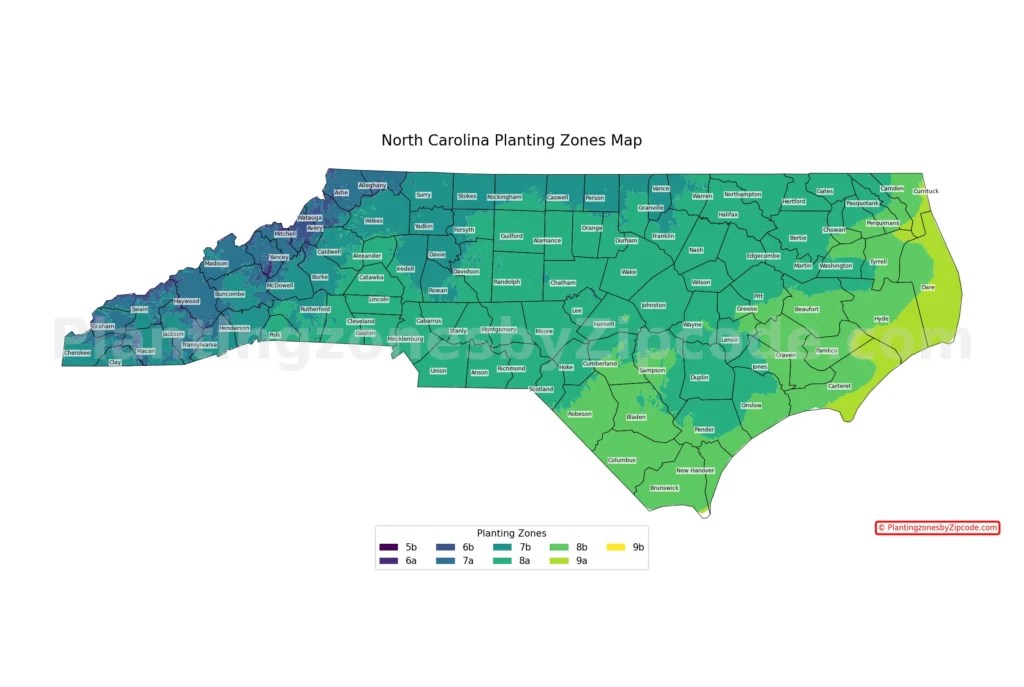
Understanding frost dates is essential for successful gardening. These dates help gardeners know when to plant, harvest, and protect their crops from cold damage.
Average Frost Dates for USDA Zone 8
(Where we are, in Coulwood, Charlotte, NC 28214)
- Last Spring Frost: March 10 – March 28
- First Fall Frost: November 7 – November 28
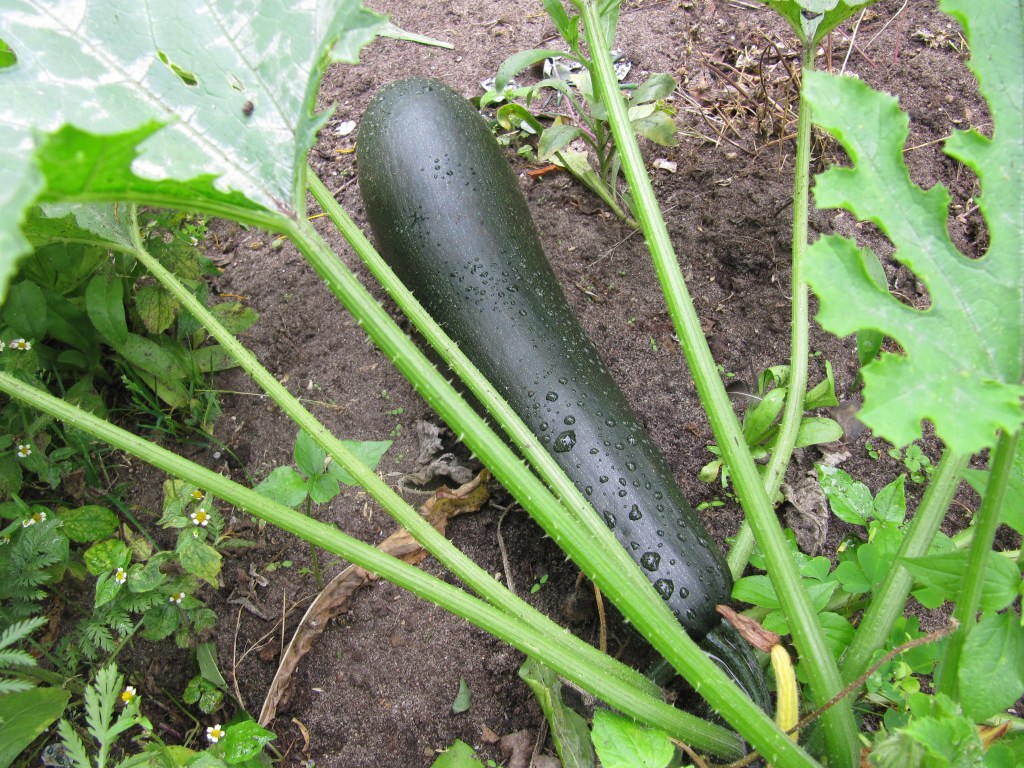
This gives us a growing “season” of 224 days, which is a clue as to how many succession plantings you can have during a given season. For example, I usually start zucchini seeds in mid-April, then again in mid-June, and lastly in August. This keeps me in zucchini all summer without worrying so much about damage from pests or trying to conjure fruit from tired, drained plants at the end of summer. The intense heat and humidity seem to exacerbate certain fungal and pest problems as well, so this is a great insurance policy against missing out on your favorite crops.
Note: These are averages—local microclimates and annual weather variations can shift the actual dates by a week or more.
Why Frost Dates Matter in Gardening
Frost can severely damage or kill tender plants, so knowing your local frost dates helps you plan what and when to plant. Starting too early in spring can expose seedlings to cold snaps, while planting too late in fall risks losing crops to unexpected freezes. By aligning your gardening calendar with frost dates, you give your plants the best chance to grow, mature, and produce a healthy harvest. This knowledge also helps in choosing appropriate crops for your growing season and preparing protective measures when needed.